Last updated 2026-07-26
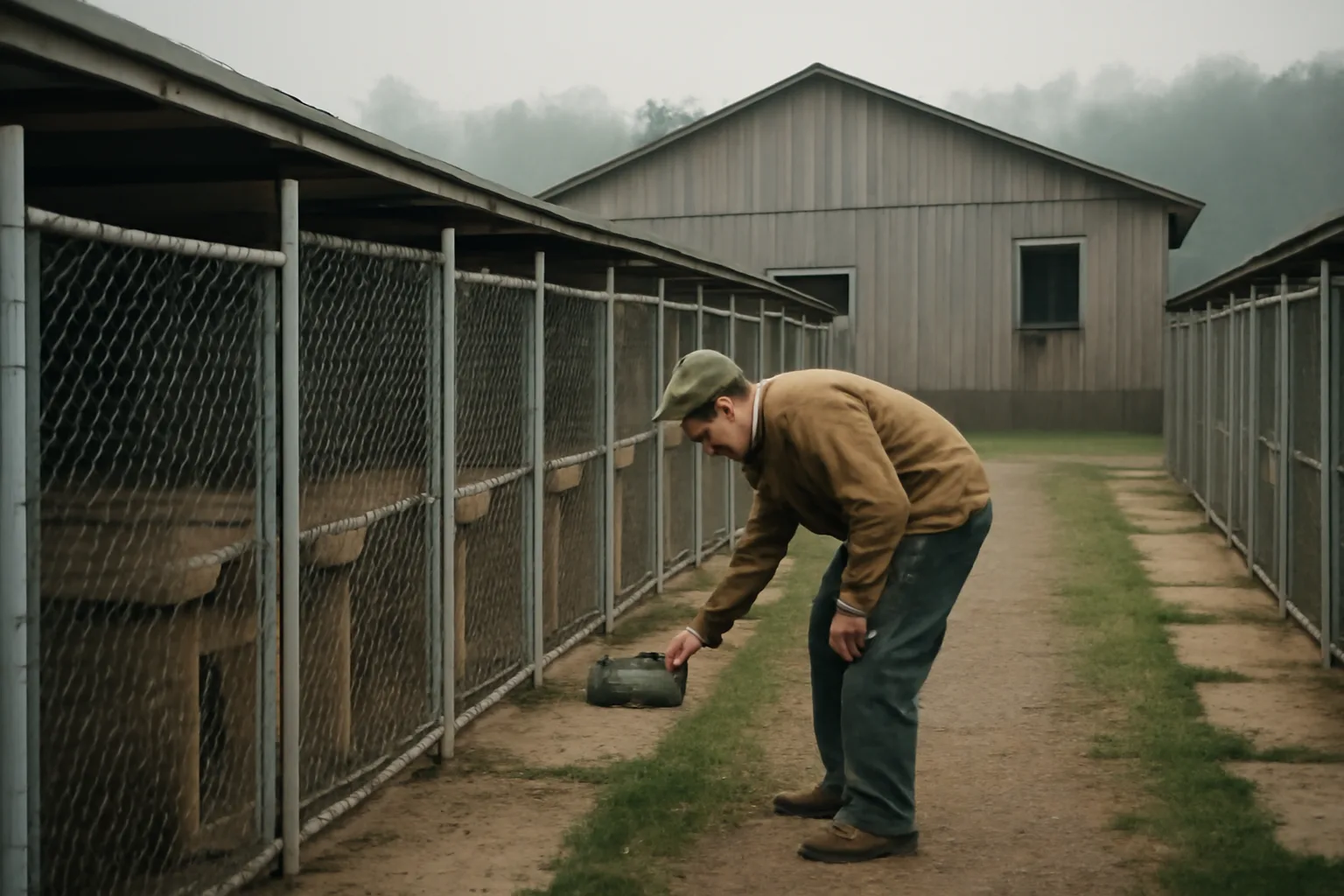
TL;DR
Pennsylvania requires a state Kennel License from the Department of Agriculture for most commercial breeders and multi-dog kennels, with fees scaled by how many dogs you keep ($50 to $1,050). You'll also need county/township zoning approval and, if you sell wholesale or ship dogs sight-unseen across state lines, a USDA APHIS Class A or B license.
Do you need a dog breeding license in Pennsylvania?
Yes, almost certainly, if you're breeding and selling dogs with any regularity in Pennsylvania. The state doesn't issue a separate "breeder license." Instead, breeding operations fall under Pennsylvania's Dog Law, which requires a Kennel License from the state Department of Agriculture once you meet certain thresholds tied to how many dogs you keep and whether you're selling or transferring them commercially [1]. The practical trigger is this: if you keep 26 or more dogs over 6 months old at any point in a calendar year and you're selling or transferring one or more of them, Pennsylvania's Dog Law classifies you as a "kennel" and requires a Kennel License, regardless of whether you call yourself a hobby breeder [1] [2]. Smaller operations can still need a license depending on the license class, since PA's system has multiple kennel categories (private kennel, boarding kennel, commercial kennel, pet shop kennel, kennel, and dealer categories) each with its own dog-count and activity triggers [2]. So the honest answer is: check the class you fall into before assuming you're exempt. A lot of small breeders assume "I only have four litters a year, I'm fine," and then get a compliance notice because they crossed the 26-dog threshold at some point during the year, even briefly. A litter of pups plus adult breeding stock adds up fast.
How do I get a Pennsylvania kennel license?
You apply through the PA Department of Agriculture's Bureau of Dog Law Enforcement, which administers licensing, inspections, and enforcement statewide [1]. The process generally has four parts: pick your kennel classification, meet facility standards, pass a state inspection, and pay the fee. First, figure out your kennel class based on dog count and purpose. Pennsylvania's Dog Law regulations (3 Pa. Code Chapter 21) set specific standards for housing, sanitation, exercise, temperature control, and veterinary care that differ by kennel type, and a state dog warden or Bureau inspector will check your facility against those standards before or shortly after licensing [2] [3]. Second, your facility needs to meet those housing and care standards on day one, not "eventually." Enclosure size minimums, flooring, drainage, ventilation, and temperature control are all specified in the regulations, and inspectors do show up. Third, submit your application and fee to the Bureau of Dog Law Enforcement. Fee amounts are set in statute and scale with your kennel size and class; Pennsylvania's kennel license fee schedule runs from roughly $50 for the smallest kennel class up to $1,050 for the largest commercial kennels holding the most dogs, though you should confirm the current fee table directly with the Bureau since these numbers are set by statute and can be updated [1]. Fourth, keep your county and municipal zoning sorted in parallel. State licensing and local zoning are separate systems, and PA doesn't override township or county zoning ordinances just because you have a state kennel license. For a full walkthrough of that separate process, see our guide on dog kennels zoning and siting.
How do you register a dog in Pennsylvania (owner-level registration)?
Registering an individual dog is different from getting a kennel license, and a lot of people conflate the two. Every dog in Pennsylvania that's 3 months or older must be individually licensed by its owner, annually, through the county treasurer's office or an approved licensing agent, under the Dog Law [1]. This owner-level dog license is cheap and simple: you bring proof of rabies vaccination and pay a modest annual fee (commonly in the $6.50 to $8.50 range for an unaltered dog, less for spayed/neutered dogs, with discounts for senior citizens in some counties), and the county issues a tag [1]. This is separate from your kennel license as a breeder. As a breeding operation, you likely need both: individual licenses for each dog you own, plus a kennel license for the breeding business itself. If you're a breeder selling puppies, buyers will also need to register their new dog in their own county once they take possession, which is worth mentioning in your sale paperwork so new owners aren't caught off guard.
How do you get papers for a dog (AKC/breed registration)?
"Papers" almost always means breed registry papers (AKC, UKC, or a similar registry), not government licensing, and this confuses new breeders constantly. Getting papers for a dog is a private registration process through a breed club, not a state or county function. For AKC registration, the litter's sire and dam both need to be individually AKC-registered, the breeder submits an AKC Litter Application after whelping, and each puppy then gets its own registration certificate that the new owner completes to transfer ownership. If you're asking "how do I get papers for my dog" as a puppy buyer whose dog wasn't registered at birth, options are limited: AKC has a Purebred Alternative Listing (PAL) program for spay/neuter-only enrollment without full pedigree registration, but that's not the same as full papers and doesn't help you breed registered litters. If you're planning to breed dogs and sell registered puppies, register your breeding pair with the relevant registry before the litter is born, keep whelping records, and submit the litter application promptly. None of this substitutes for your state kennel license or your county zoning approval. Papers are a pedigree record; they're not a business license, and having AKC papers on your dogs does not exempt you from PA Dog Law kennel licensing.
How do I become a dog breeder in Pennsylvania, step by step?
There's no single "breeder exam" in PA. Becoming a legitimate breeder here means stacking four separate approvals: zoning, state kennel license, USDA license (if applicable), and your own animal husbandry standards. 1. Check your zoning first, before you buy breeding stock or build kennels. Call your township or county zoning office and ask directly whether kennels or animal breeding are a permitted use, a conditional use, or require a variance in your zoning district. This step trips up more new breeders than anything else, because zoning approval can take months and sometimes requires a public hearing. Our guide on dog kennels zoning covers what that hearing typically looks like. 2. Build or retrofit your facility to meet PA's kennel housing standards under 3 Pa. Code Chapter 21, including enclosure sizes, sanitation, ventilation, and temperature ranges, before you apply for a state license, since inspectors check compliance as part of licensing [3]. 3. Apply for your PA Kennel License through the Bureau of Dog Law Enforcement once your dog count and sales activity put you into a licensable kennel class [1] [2]. 4. Check whether you cross the USDA APHIS threshold (covered in the next section). If you sell wholesale, sell to pet stores, or sell dogs sight-unseen (including many online/shipped sales), you may need a separate federal license on top of your state one [4]. 5. Set up recordkeeping from day one: breeding dates, whelping records, vaccination and vet records, sales records, and buyer contact info. Both PA and USDA inspectors will ask for these, and gaps are one of the most common citation triggers in dog law inspection reports.
When do I need a USDA license instead of (or in addition to) a state license?
USDA APHIS licensing is a separate federal system that applies based on how you sell dogs, not where you're located. The Animal Welfare Act requires a USDA license for anyone who breeds dogs for wholesale, sells to pet stores or brokers, or sells dogs to buyers who never see the animal in person before purchase [4]. The key federal distinction under APHIS's "retail pet store" framework: if you sell puppies face-to-face, where the buyer physically handles the puppy and visits the breeding facility before purchase, you're generally exempt from federal licensing as a retail seller. If you sell sight-unseen (shipping a puppy to a buyer who never visited), you're treated as a wholesaler and typically need a USDA license even with very few breeding females [4] [5]. APHIS also has a numeric exemption tied to the number of breeding females and direct-to-public sales; the exact conditions are specific, and worth confirming directly against current APHIS guidance rather than assuming your situation qualifies [5]. If you do need a USDA license, you'll fall into Class A (breeder who sells directly, e.g., wholesale to pet stores or brokers) or Class B (broker/dealer who buys and resells) categories, each with its own facility inspection standards under 9 CFR Parts 1-3 [4]. USDA inspections are separate from, and in addition to, your Pennsylvania Dog Law inspections. Crossing state lines to sell, or shipping dogs, is one of the fastest ways breeders accidentally trigger USDA jurisdiction without realizing it.
How much does a PA kennel license actually cost, all in?
| PA state Kennel License | PA Dept. of Agriculture, Bureau of Dog Law | $50-$1,050 (by class/dog count) [1] | Annual | |
|---|---|---|---|---|
| Individual dog license | County treasurer | ~$6.50-$8.50/dog [1] | Annual | |
| County/township zoning permit | Local zoning office | Varies by municipality | One-time (per approval) | |
| USDA APHIS license | USDA APHIS | Varies by license type and inspection | Annual, plus inspection fees | Don't guess at the zoning number. It's set locally. Two townships ten miles apart can charge wildly different amounts or require entirely different hearing processes. |
Budget for more than just the state license fee. Real all-in costs for a compliant Pennsylvania breeding kennel typically include several separate line items, and people routinely underestimate this by focusing only on the state fee. Those costs include: the state kennel license fee ($50-$1,050 depending on class and dog count, per PA's statutory fee schedule) [1], county/township zoning application and permit fees (varies enormously by municipality, commonly $100-$1,000+ for conditional use or variance applications, and township-set, not state-set), facility build-out or retrofit costs to meet Chapter 21 housing standards, individual dog license fees for every adult dog you own (roughly $6.50-$8.50 per dog annually in most PA counties) [1], and potentially a USDA license fee and annual inspection costs if you cross federal thresholds [4]. Here's a rough comparison of the different fee types breeders confuse: | Fee type | Who charges it | Typical range | Frequency |
What facility standards does PA require for kennels?
Pennsylvania's Dog Law regulations under 3 Pa. Code Chapter 21 set specific, checkable standards, and inspectors use them literally. Requirements cover primary enclosure size (scaled to the dog's size), flooring that's solid and can be sanitized, proper drainage, ventilation, ambient temperature ranges, lighting, and separation of sick or aggressive animals [3]. Outdoor runs need weatherproof shelter, shade, and protection from extreme temperatures. Indoor facilities need reliable heating and cooling to keep temperatures within the regulatory range regardless of season. Water and food have specific frequency and sanitation requirements, and waste removal has to happen on a schedule that prevents buildup, more than "when someone gets around to it." Records matter as much as physical facility. Inspectors will ask for your dog inventory records, vaccination records, and, if you're licensed, your sales/transfer records showing where puppies went. Missing records are one of the most common citation items in PA Dog Law kennel inspection reports, right alongside enclosure size violations. If you're planning a facility that also boards other people's dogs (common for breeders trying to diversify revenue), check our dog boarding and pet boarding guides, since boarding triggers its own separate kennel classification and inspection standards on top of your breeding operation.
How does county zoning affect a PA dog breeding operation?
Zoning approval is local, separate from your state license, and often the longest step in the whole process. Pennsylvania townships and counties regulate land use independently of the state Dog Law, meaning your county zoning office (not the Department of Agriculture) decides whether kennels or commercial dog breeding are even allowed on your parcel [6]. Most rural PA townships classify kennels as either a permitted use, a conditional use requiring a hearing before the zoning hearing board, or a prohibited use in residential districts. If your property needs a conditional use approval or variance, expect to attend a public hearing where neighbors can raise noise, odor, or traffic objections. That process can take anywhere from six weeks to several months depending on your township's hearing calendar [6]. Bring real documentation to that hearing: your proposed dog count, noise mitigation plans (indoor housing, sound barriers), waste management plan, and traffic/parking plan for pickup and drop-off. Zoning hearing boards respond better to specifics than to "trust me, it won't be a problem." This is genuinely the step where a lot of breeders get stuck, and it's also the step our $149 one-time Kennel License & Zoning Packet is built around: it organizes the state license paperwork and a zoning-hearing prep checklist into one packet so you're not reconstructing the process county by county from scratch. It doesn't replace your township's own application forms or a zoning attorney if your hearing gets contested, but it gets you to the hearing with the right documents assembled.
What's the difference between a hobby breeder and a licensed kennel in PA?
There's no formal "hobby breeder" license tier in Pennsylvania's Dog Law; the law cares about dog count and commercial activity, not your intent or how you describe yourself. If you're under the 26-dog threshold and not otherwise triggering a kennel classification, you may not need a state kennel license, but you still need to individually license every dog you own annually [1] [2]. The moment you cross into any of PA's kennel classes (by dog count, by boarding others' dogs, or by commercial sale volume), "hobby breeder" stops being a legal category that protects you from licensing requirements. A lot of breeders who think of themselves as small-scale or part-time get surprised by this because their dog count crept up gradually. If you're genuinely small (one or two litters a year, low dog count, direct sales to local buyers who meet the puppy in person), you likely stay under both the PA kennel threshold and the USDA retail exemption. But confirm your actual numbers against the current thresholds rather than assuming; both PA and USDA rules are about counts and sale methods, not labels.
How do dog boarding costs compare to breeding-related licensing costs?
If you're a breeder considering adding boarding services (a common way to smooth cash flow between litters), it helps to know what boarding actually costs customers and what licensing that adds for you. Nationally, dog boarding runs roughly $25-$85 per night depending on region, facility type, and add-ons like grooming or extra playtime, with upscale "dog hotel" facilities in major metro areas charging more [7]. Adding boarding to your PA kennel means you're now operating under PA's boarding kennel classification standards in addition to (or instead of) your breeding kennel classification, and the facility standards for boarding kennels under Chapter 21 aren't identical to breeding kennel standards, so don't assume one license covers both automatically [2] [3]. Check with the Bureau of Dog Law Enforcement about whether your existing kennel license class covers boarding or whether you need a separate or upgraded license. For a full cost and setup breakdown, see our guides on dog boarding, doggy day care, and dog hotels near me if you're weighing whether boarding revenue is worth the added licensing complexity.
Frequently asked questions
How much does dog boarding cost in Pennsylvania?
Nationally, dog boarding runs about $25-$85 per night depending on region, facility quality, and add-ons like grooming or extra playtime [8]. Pennsylvania rates generally fall within that range, with rural facilities on the lower end and upscale urban "dog hotels" near Philadelphia or Pittsburgh charging more. Rates aren't state-regulated; they're set by each facility.
How do I register a dog in Pennsylvania?
Bring proof of current rabies vaccination to your county treasurer's office or an approved licensing agent and pay the annual dog license fee, generally $6.50-$8.50 depending on spay/neuter status and county [1]. Every dog 3 months or older must be licensed annually. This is separate from any kennel or breeder license.
How do you get papers for a dog?
"Papers" means breed registry documents (AKC, UKC, etc.), not a government license. The breeder registers the litter with the registry after whelping (both parents must already be registered), and each puppy gets an individual registration certificate that transfers to the buyer [4]. There's no state or county process for getting papers; it's entirely a private registry function.
How do I become a dog breeder in Pennsylvania legally?
Check zoning first, since local ordinances decide if breeding is allowed on your property. Then meet PA's Chapter 21 kennel facility standards, apply for a state Kennel License through the Bureau of Dog Law Enforcement once you hit a licensable dog count or activity level, and check whether your sales method triggers USDA APHIS licensing [1][3][5].
How to get a dog license in PA if I just adopted a puppy?
Once your puppy turns 3 months old, take proof of rabies vaccination to your county treasurer's office (or an approved online/agent service) and pay the annual license fee, roughly $6.50-$8.50 depending on your county and whether the dog is spayed or neutered [1]. Renew it every year; PA dog licenses are not one-time.
Do I need a USDA license to breed and sell dogs in PA?
Only if you sell wholesale, sell to pet stores/brokers, or sell puppies sight-unseen (shipped without the buyer meeting the dog first). Face-to-face retail sales are generally exempt from USDA licensing [5][6]. If you cross federal thresholds, you'll need a Class A or Class B USDA APHIS license in addition to your PA state kennel license.
How many dogs can I have before I need a PA kennel license?
The commonly cited trigger is 26 or more dogs over 6 months old kept at any point in a year, combined with selling or transferring dogs, which classifies you as a "kennel" under PA Dog Law [1][2]. But PA has multiple kennel classes with different thresholds, so confirm your specific class with the Bureau of Dog Law Enforcement rather than relying only on the 26-dog figure.
What's the difference between a state kennel license and USDA APHIS license?
PA's Kennel License is a state requirement from the Department of Agriculture covering facility standards and dog counts within Pennsylvania [1]. USDA APHIS licensing is federal and applies based on your sales method (wholesale or sight-unseen sales) regardless of state [5]. Many commercial breeders need both simultaneously; they don't substitute for each other.
How much is a Pennsylvania kennel license?
PA's kennel license fees are set by statute and scale with kennel class and dog count, ranging roughly from $50 for the smallest class to $1,050 for the largest commercial kennels [1]. Confirm the current fee table with the Bureau of Dog Law Enforcement, since fee schedules can be updated and your exact class determines your fee.
Can I get zoning approval for a dog kennel in a residential area?
It depends entirely on your township or county zoning ordinance. Many residential districts prohibit or restrict kennels, requiring a conditional use permit or variance and a public hearing before the zoning hearing board [7]. Contact your local zoning office directly; state Dog Law licensing has no authority over local zoning decisions.
How do I get papers for my dog if the breeder never registered the litter?
Options are limited. If the parents were registered but the litter application was never filed, contact the breeder first, since only they can typically submit it. If that's not possible, some registries offer alternative enrollment (like AKC's Purebred Alternative Listing) for spay/neuter purposes, but that's not full pedigree registration [4].
Does having AKC papers exempt me from PA kennel licensing?
No. AKC or other breed registry papers are a pedigree record with a private registry; they have no bearing on Pennsylvania Dog Law kennel licensing or USDA APHIS licensing requirements. You can have fully AKC-registered dogs and still be operating an unlicensed kennel if you meet PA's dog-count or activity thresholds [1][4].
Sources
- Pennsylvania General Assembly, Dog Law (3 Pa.C.S. Section 305, kennel license fees): PA kennel license classes, fee schedule, and individual dog license requirement
- Pennsylvania General Assembly, Dog Law (3 Pa.C.S. Chapter 5): Kennel classification definitions and 26-dog commercial kennel threshold
- Pennsylvania Code, Title 3, Chapter 21 (Kennels): Facility, housing, sanitation, and inspection standards for licensed kennels
- USDA APHIS, Animal Welfare Act (7 U.S.C. Section 2133, licensing of dealers and exhibitors): USDA license requirement based on wholesale or sight-unseen sales, Class A/B distinction
- Federal Register, 78 FR 57227 (Sept. 18, 2013), APHIS retail pet store rule amending 9 CFR Part 1: Retail exemption criteria including face-to-face sales and breeding female thresholds
- Pennsylvania Municipalities Planning Code, 53 P.S. Section 10912.1 (conditional uses): Local zoning hearing board authority over conditional use and variance approvals
- USDA APHIS, Animal Welfare Act regulations, 9 CFR Part 3 (standards for dogs): Federal facility inspection standards applicable to licensed Class A/B breeders