Last updated 2026-07-25
TL;DR
There's no one 'dog daycare license.' You typically need a local business license, a kennel/animal facility permit from your state or county department of agriculture, zoning approval or a conditional use permit, and possibly a USDA license only if you're also breeding and selling dogs wholesale or sight unseen. Fees run roughly $50 to $500 depending on jurisdiction.
Do you need a special license to run a dog daycare?
Yes, almost always, but it's rarely a single document. Most operators end up holding three or four separate approvals stacked on top of each other: a general business license from the city or county, an animal facility or kennel permit from the state or county agriculture/health department, zoning sign-off (sometimes a conditional use permit if you're in a commercial or mixed-use district), and a fire/building inspection for occupancy. There is no federal "dog daycare license." The U.S. Department of Agriculture regulates dog breeding, dealing, and some transport activity under the Animal Welfare Act, but daycare and boarding of dogs whose owners drop them off and pick them up is explicitly carved out. The Animal Welfare Act regulations define a licensable "dealer" and set out which activities require a USDA license under 9 CFR 2.1, and boarding-only operations that handle pets owned by the public generally fall outside that definition [1]. So the licensing burden for daycare sits almost entirely at the state, county, and city level, and it varies a lot by where you are. A handful of states (California, Florida, and others) require a state-level kennel or pet boarding facility permit through the department of agriculture or a public health division. Others push the whole thing down to the county animal control office or the city clerk's business licensing desk. You have to check both layers; a state that doesn't require a state permit almost certainly still requires a county business license and a local zoning check.
What licenses and permits does a dog daycare actually need?
| General business license | City or county clerk | $50 to $400/year | 1 to 4 weeks | |
|---|---|---|---|---|
| Kennel / animal facility permit | State department of agriculture or county animal control | $25 to $300/year | 2 to 8 weeks | |
| Zoning approval / conditional use permit | County or city planning department | $200 to $2,000+ (hearing fees) | 30 to 120 days | |
| Building/fire/occupancy inspection | Local fire marshal or building department | $50 to $300 | Scheduled after buildout | |
| Sales tax permit (if selling retail/products) | State department of revenue | Usually free | 1 to 2 weeks | Some states fold the kennel permit and the business license together; others require you to register with the state veterinarian's office if you also board animals overnight, since overnight boarding sometimes triggers different rules than pure daycare drop-off. If you plan to add dog boarding alongside daycare, check whether your state treats overnight stays as a separate licensing category, because several do. |
Think of it as a stack, not a single form. Here's the typical order operators go through, though the exact names and agencies shift by state: | Approval | Who issues it | Rough cost | Typical timeline |
How do you register a dog daycare business (step by step)?
Registering the business itself is the easy part; it's the same process any small business goes through, layered with animal-specific permits after. 1. Pick a business structure (LLC is the common choice for liability reasons) and register it with your state's secretary of state office. 2. Get an EIN from the IRS if you'll have employees or aren't a sole proprietor. 3. Apply for your city or county general business license. 4. Check zoning before you sign a lease. This is the step people skip and regret; a property zoned commercial doesn't automatically allow "animal boarding" or "kennel" as a permitted use. Call the county zoning office and ask directly what use category dog daycare falls under in that district. 5. Apply for your state or county kennel/animal facility permit, which usually requires a facility inspection (ventilation, drainage, fencing, noise mitigation, separation of sick animals). 6. Schedule your fire and building inspections once the space is built out. 7. Get liability insurance (often required before the animal facility permit is even issued). 8. Post your permits and keep renewal dates on a calendar; most kennel permits and business licenses renew annually. If you're expanding an existing dog daycare into a second location, don't assume the paperwork transfers. Every jurisdiction runs its own review, and a permit good in one county means nothing three miles over the line into the next one.
How much does dog boarding cost, and does pricing affect licensing?
Dog boarding typically runs $25 to $85 per night depending on the market and whether it's a basic kennel stay or a higher-end suite with webcam access and extra playtime; daycare itself usually runs $20 to $45 per day. Licensing fees themselves are small compared to what you'll charge customers, but your rate structure can affect which permit category you fall into in some states, because a few jurisdictions size kennel permit tiers by number of animals housed overnight rather than daycare headcount. There's no federal price survey specific to dog boarding, so these ranges come from industry reporting and state consumer resources rather than a single government dataset; treat them as a planning range, not a guarantee for your market. Urban markets on the coasts run higher, often $50 to $100+ a night for boarding, while rural and small-town operators tend to sit at the lower end. If you're only doing daycare (no overnight stays), some states drop you into a lighter-weight permit category than full boarding kennels, since occupancy and waste-handling requirements for a facility with animals present 8 to 12 hours a day differ from one with animals there 24 hours. Ask your state department of agriculture specifically whether "daycare-only, no overnight boarding" changes your permit tier; it sometimes does, and it can mean a cheaper fee and a faster inspection.
What does zoning approval for a dog daycare actually involve?
Zoning is usually the slowest and least predictable part of opening a dog daycare, slower than the license itself in most cases. Counties classify land use into zones (residential, commercial, industrial, agricultural, mixed-use), and "animal boarding," "kennel," or "animal care facility" is its own use category in most zoning codes, separate from general retail or office use. In a lot of counties, dog daycare in a straight commercial zone requires a conditional use permit (sometimes called a special use permit or special exception), which means a public hearing in front of a zoning board or planning commission. Neighbors get notified. They can object. Common objections are noise, odor, and traffic, and boards frequently attach conditions: sound-dampening walls, limited outdoor play hours, capped headcount, or a requirement that all outdoor runs be a set distance from the property line. Before you sign a lease or make an offer on a building, call the county zoning office and ask two questions directly: (1) what use category does "dog daycare" or "animal boarding kennel" fall under here, and (2) is that a permitted use, or does it require a conditional use permit and hearing in this specific zone. Get the answer in writing if you can; verbal answers from a front desk clerk are not binding when you're two months into a lease and a different reviewer disagrees. If you're prepping for that hearing, walking in with your site plan, noise mitigation plan, and traffic estimate already drafted saves weeks. A kennel license and zoning packet built for your state can help you assemble that paperwork before you ever schedule the hearing, though it's not a substitute for a local land-use attorney if your case is contested. County zoning offices post their use tables online in most cases; search "[your county] zoning ordinance kennel" or "[your county] unified development ordinance" and look for the use table by zoning district.
Does a dog daycare need a USDA license?
Almost never, for daycare and boarding alone. USDA's Animal Welfare Act licensing applies to breeders, dealers, exhibitors, and certain transporters, not to businesses that watch dogs during the day for their owners. The regulatory definitions in 9 CFR 1.1 and the licensing requirements in 9 CFR 2.1 are built around commerce in animals, breeding, and dealing, not custodial care of pets already owned by the public [1]. Where USDA does show up is if your daycare business also breeds dogs and sells them, especially sight unseen (online, through a broker, or to a pet store) and you exceed certain thresholds. Under 9 CFR 2.1, a "retail pet store" exemption used to cover most direct-to-buyer sales, but the 2013 USDA rule change closed the sight-unseen loophole: breeders who sell dogs without the buyer physically present to inspect the animal before purchase, and who have more than four breeding females, generally need a USDA Class A (breeder) or Class B (dealer) license [2][3]. If you're purely running daycare and boarding with no breeding operation attached, this section doesn't apply to you at all; keep it in mind only if you're planning to add a breeding program to the business later.
How do you get a dog license (the pet license, not the business one)?
This trips people up because "dog license" means something completely different from "dog daycare business license." A dog license (sometimes called a dog tag or registration) is a per-animal requirement most counties impose on pet owners, usually tied to proof of rabies vaccination, and it's issued by the county clerk, county treasurer, or local animal control office depending on the state. Typical process: bring proof of current rabies vaccination (from your vet) to the county clerk or animal control office, pay a fee (commonly $10 to $25 for an intact/unaltered dog, often $5 to $15 less for a spayed or neutered dog in counties that offer that discount), and you get a tag to put on the collar. Renewal is usually annual or tied to the rabies vaccination cycle (1 or 3 years). New York State, for example, requires dog licensing under Agriculture and Markets Law Article 7, with counties and cities authorized to set their own license fees within that framework [4]. If you run a daycare or boarding facility, you may be asked to verify that every dog in your care has current license and vaccination records on file, since several state kennel permit rules require proof of rabies and sometimes bordetella vaccination as a condition of your facility license, more than a courtesy. Build that documentation check into your intake form; it's one of the first things an inspector asks about.
How do you get papers for a dog, and what does 'dog papers' actually mean?
"Getting papers" for a dog almost always means one of two things: breed registration papers (like AKC registration proving pedigree) or the dog's official license/vaccination/ownership documentation. They are not the same thing and neither one is issued by a government licensing office in the breed-registry sense. For breed registration papers: if you bought a purebred puppy from a registered litter, the breeder should provide registration paperwork from the applicable registry (American Kennel Club, United Kennel Club, or a breed-specific registry) at the time of sale or shortly after. If you didn't get papers at purchase, contact the breeder directly; registries generally require the breeder to register the litter first, then transfer individual puppy registration to the buyer. If the breeder is unreachable or refuses, there often isn't a workaround; most registries require breeder cooperation to establish pedigree, and a private registry (not a government body) makes that call, not any state agency. For official ownership/health documentation: that's your rabies vaccination certificate from a licensed veterinarian, plus the county dog license described above. These are the "papers" animal control, boarding facilities, and daycare intake forms actually care about, regardless of whether the dog has breed registration papers at all. A mixed-breed rescue dog with no pedigree papers can absolutely have full legal "dog papers" in the sense that matters for licensing and boarding: current rabies certificate and county tag.
How do you become a dog breeder, and when do USDA rules kick in?
Becoming a dog breeder legally starts at the state and local level, not USDA, for most small hobby breeders. Requirements vary widely: some states require a breeder or kennel license once you exceed a certain number of adult dogs or litters per year, others require nothing beyond standard animal welfare and cruelty statutes plus a county dog license per animal. Check your specific state department of agriculture page for breeder licensing thresholds before assuming you're exempt. USDA licensing becomes relevant at a specific, defined threshold. Under the Animal Welfare Act regulations, a person who has more than four breeding female dogs, cats, or small exotic/wild mammals and sells any offspring sight unseen (meaning the buyer never physically inspects the animal or its housing before purchase, like most online or shipped sales) generally must obtain a USDA Class A license as a breeder [2]. The 2013 Federal Register rule that established this change states its purpose was "to ensure that animals bred and raised for the wholesale pet trade, and sold sight unseen to the public, receive the protections of the Animal Welfare Act" [3]. If you sell every puppy in person, with the buyer visiting your facility and meeting the dog before purchase, you may stay under the retail-pet-store exemption in 9 CFR 2.1 regardless of how many females you have; the sight-unseen condition is the trigger, not headcount alone [2]. Separately, breeders who cross state lines to sell dogs, or who sell to pet stores/brokers, run into additional interstate commerce and health certificate requirements enforced by USDA APHIS Veterinary Services, which is a different layer from the AWA breeder license itself; the interstate movement rules for dogs are set out in 9 CFR Part 71 [5].
What facility standards do inspectors actually check?
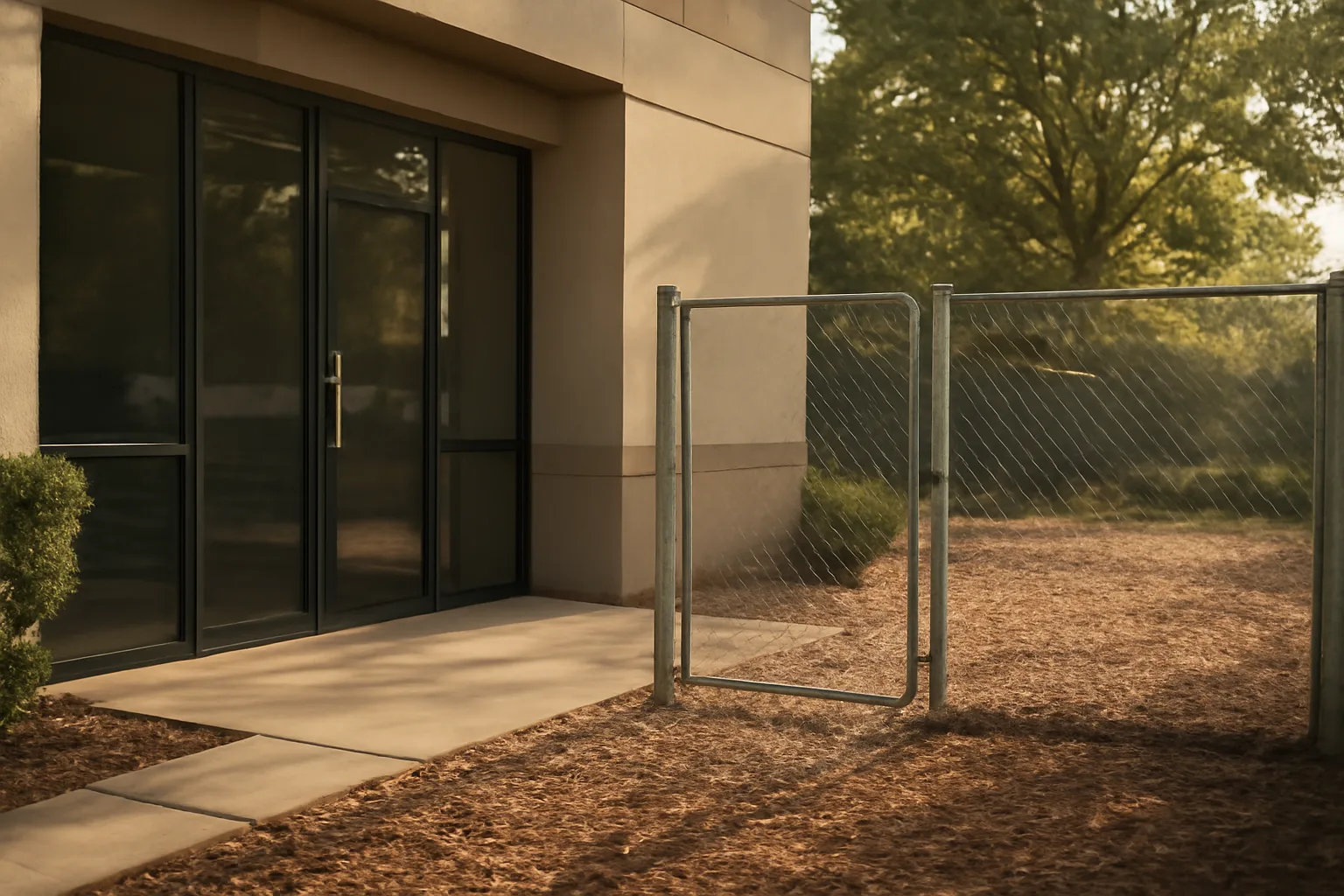
State and county kennel/animal facility inspections tend to hit the same core list, even though the exact code language differs: adequate ventilation and temperature control, non-porous and drainable flooring, separation of sick or aggressive animals from the general population, secure fencing and double-gated entry/exit points to prevent escapes, adequate lighting, a documented cleaning and sanitation schedule, potable water access, and proof of vaccination records on file for every animal boarded. USDA's own facility standards for licensed breeders and dealers, at 9 CFR 3.6, spell out comparable requirements for primary enclosures: structurally sound housing, proper drainage, and enough space for the dog to turn freely, stand, sit, and lie in a normal position [6]. State kennel codes for daycare and boarding facilities are usually modeled on similar principles even when the daycare itself isn't USDA-licensed. Many states also check staff-to-dog ratios during group play, noise mitigation measures if you're near a residential boundary, and fire suppression/emergency evacuation plans specific to housing live animals overnight. If your facility does both daycare and overnight pet boarding, expect the inspector to look harder at your overnight supervision plan than at daytime play group management, since unsupervised overnight hours carry more liability in most state rules. Get your state's specific kennel inspection checklist before you build out the space, not after. Retrofitting concrete flooring or adding a second exit gate after the walls are already up costs far more than designing to code from day one.
What's the realistic timeline and cost to get fully licensed?
Budget 60 to 150 days from lease signing to opening day if zoning requires a conditional use permit and public hearing; budget as little as 30 to 45 days if your property is already zoned for kennel/animal care use by right and you're just doing business registration plus a facility inspection. On cost: total licensing and permitting fees (not counting buildout, insurance, or lease costs) typically run somewhere between $500 and $3,000 depending on how many layers apply and whether a contested zoning hearing is involved. That's a wide range on purpose; a rural county with no zoning hearing required might cost you under $300 total, while a contested urban hearing with legal notice fees, traffic studies, and a state kennel permit can run well past $3,000 before you've hired a single employee. This is one area where a flat, predictable planning tool helps. A $149 one-time kennel license and zoning packet can walk you through the state-specific checklist and hearing prep documents so you're not paying a consultant by the hour just to find out which office to call first; it doesn't replace a local attorney if your zoning case gets contested, and it doesn't guarantee approval, but it does save the weeks most people burn just figuring out where to start.
Frequently asked questions
How much does dog boarding cost per night?
Boarding typically runs $25 to $85 per night depending on market and amenities, with daycare (no overnight stay) running $20 to $45 per day. Prices are higher in dense urban markets and lower in rural areas. There's no single federal price survey for this; these are industry planning ranges, not guaranteed figures for your specific market.
How do I register a dog with the county?
Bring proof of current rabies vaccination from your vet to the county clerk, treasurer, or animal control office, pay the licensing fee (commonly $10 to $25, less if the dog is spayed/neutered), and you'll receive a tag. Renewal is usually annual or tied to the rabies vaccination cycle, which can be 1 or 3 years depending on the vaccine used.
How do you get a dog license?
Dog licenses are issued locally, usually by the county clerk, treasurer, or animal control office, not by the state or federal government. You need proof of current rabies vaccination and payment of a small annual or multi-year fee. Some counties let you renew online once you're in the system; first-time registration usually requires an in-person visit.
How do I get papers for my dog if I never received them?
If you mean breed registration papers, contact the breeder directly; registries like AKC generally require the breeder to register the litter before individual puppy registration can transfer to you. If the breeder won't cooperate, there's often no workaround since it's a private registry decision, not a government one. If you mean legal ownership documentation, that's your rabies certificate and county dog license.
Does my dog daycare need a USDA license?
No, almost never. The Animal Welfare Act licensing rules in 9 CFR 2.1 are built around breeding, dealing, and exhibiting animals, not custodial daycare for pets already owned by the public. USDA licensing applies to breeders, dealers, and exhibitors, not to businesses that watch other people's pets during the day.
How many breeding dogs can I have before I need a USDA license?
The trigger is more than four breeding females combined with selling puppies sight unseen (buyer never physically inspects the dog before purchase). If every sale happens in person at your facility, you may qualify for the retail pet store exemption regardless of headcount. The sight-unseen condition, more than the number of dogs, is what actually triggers USDA Class A licensing.
What's the difference between a kennel license and a business license?
A business license registers your company to legally operate in a city or county and is issued by the clerk's office. A kennel or animal facility permit is a separate, animal-specific approval from your state department of agriculture or county animal control, usually requiring a facility inspection covering ventilation, drainage, fencing, and vaccination recordkeeping. Most dog daycares need both.
Do I need a conditional use permit to open a dog daycare?
It depends entirely on your zoning district and county code. Many commercial zones classify animal boarding or kennel use separately from general retail, requiring a conditional use permit and public hearing before approval. Call your county zoning office directly and ask whether 'animal boarding kennel' or 'dog daycare' is a permitted use or a conditional use in your specific zone before signing a lease.
How to become a dog breeder legally?
Start with your state department of agriculture to check state-level breeder licensing thresholds, then check county rules and per-dog licensing requirements. USDA licensing only becomes mandatory if you exceed four breeding females and sell puppies sight unseen. Most small in-person hobby breeders never trigger federal licensing, but state and county rules still apply and vary widely.
Can I run a dog daycare out of my home?
Some residential zones allow small-scale home-based pet care as a permitted or accessory use, capped at a small number of animals; others prohibit any commercial animal boarding in residential zones entirely. This is one of the most restrictive zoning categories in many counties, so verify directly with your county zoning office before accepting a single paying client.
How long does it take to get a dog daycare fully licensed?
Budget 30 to 45 days if your property is already zoned for kennel use by right and only needs a business license plus facility inspection. Budget 60 to 150 days if zoning requires a conditional use permit and public hearing, since notice periods and hearing schedules typically add several weeks on their own.
What does an inspector check during a kennel facility inspection?
Common items are ventilation and temperature control, drainable non-porous flooring, secure double-gated fencing, separation areas for sick or aggressive animals, documented cleaning schedules, potable water access, and current vaccination records for every animal on-site. Staff-to-dog supervision ratios and fire/evacuation plans are also frequently checked, especially for overnight boarding operations.
Sources
- eCFR, 9 CFR Part 1.1 (Animal Welfare Act, Definitions) and Part 2.1 (Licensing requirements): The Animal Welfare Act licensing definitions and requirements are built around breeding, dealing, and exhibiting animals, and boarding-only operations that handle pets owned by the public generally fall outside AWA licensing
- eCFR, 9 CFR Part 2.1 (Animal Welfare Act licensing requirements and retail pet store exemption): Breeders with more than four breeding females who sell dogs sight unseen generally must hold a USDA Class A license; the retail pet store exemption applies to in-person sales
- Federal Register, USDA APHIS Final Rule: Amendments to the Animal Welfare Act Standards (78 FR 57227, Sept. 18, 2013): USDA's 2013 rule closed the sight-unseen loophole that let large-scale online breeders avoid Animal Welfare Act licensing
- eCFR, 9 CFR Part 71 (General Provisions for interstate movement of animals): USDA APHIS oversees interstate movement and health certificate requirements for animals separate from state breeder licensing rules
- New York Consolidated Laws, Agriculture and Markets Law, Article 7 (Licensing, Identification and Control of Dogs): New York requires dog licensing under a specific state statute, with counties and cities authorized to set license fees within that framework
- eCFR, 9 CFR 3.6 (Primary enclosures for dogs and cats, facility standards): USDA facility standards for licensed dog housing require structurally sound enclosures with proper drainage and enough space for normal postural movement